Can Anxiety and Autism Occur Together in Children?
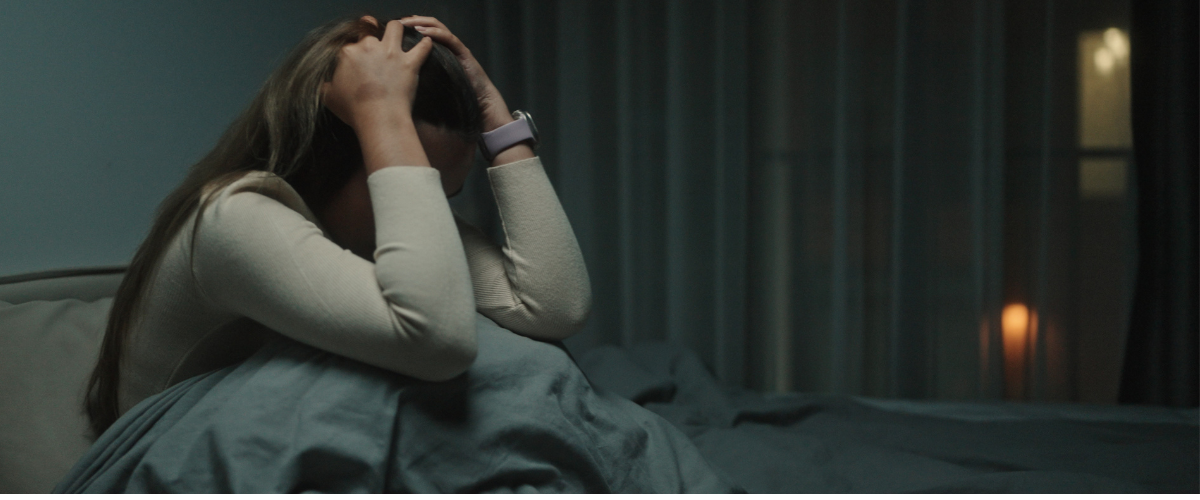
If your child has autism and also seems constantly worried, overwhelmed, or on edge — you're not imagining it, and you're not alone. Anxiety is one of the most common co-occurring conditions in autistic children, affecting an estimated 40–50% of autistic young people. Yet it is also one of the most frequently misunderstood, misattributed, and undertreated.
Parents often ask: is my child anxious because they are autistic, or are they autistic and also have anxiety? The answer is: often both are true, and understanding the relationship between them is essential for getting the right support. This guide explains how autism and anxiety in children interact, what the signs look like, and what actually helps.
How Common Is Anxiety in Autistic Children?
Anxiety in autistic children is not rare — it is the rule rather than the exception. Research paints a consistent picture:
An estimated 40–50% of autistic children meet diagnostic criteria for at least one anxiety disorder
Autistic children are 3–4 times more likely to experience anxiety than non-autistic children
The most common types include social anxiety, generalized anxiety, separation anxiety, and specific phobias
Anxiety often worsens during transitions — starting school, changing classrooms, entering adolescence
Importantly, anxiety in autistic children is not a character flaw or a parenting problem. It is a predictable consequence of navigating a world that is often unpredictable, sensory-overwhelming, and socially confusing for autistic individuals.
Key Research Finding
A 2019 meta-analysis published in Clinical Psychology Review found that approximately 42% of autistic children and adolescents met criteria for at least one anxiety disorder — with social anxiety and generalized anxiety disorder being the most prevalent.
This rate is significantly higher than the general child population rate of approximately 15%.
Why Are Autistic Children More Prone to Anxiety?
Anxiety does not develop randomly in autistic children. It grows from specific, identifiable sources that are directly connected to how autism affects the brain and the daily experience of the world:
Sensory Overload
Many autistic children experience sensory sensitivities — sounds, lights, textures, smells, or crowded environments that feel physically overwhelming. When a child's nervous system is regularly pushed beyond its capacity, the body stays in a constant state of alert. That chronic state of alertness is anxiety.
Unpredictability and Change
Autistic children often rely heavily on routine and predictability to feel safe. When routines are disrupted — a substitute teacher, a schedule change, a canceled plan — the resulting uncertainty can trigger intense anxiety responses that may look disproportionate to the situation but are entirely logical given the child's neurological need for predictability.
Social Confusion
Navigating the social world is genuinely hard for many autistic children. Unwritten social rules, shifting group dynamics, and the fear of saying or doing the "wrong" thing create ongoing social anxiety. This is not irrational fear — it is a reasonable response to a genuinely confusing experience.
Masking Fatigue
As we explored in a related article on autism masking, many autistic children spend enormous energy suppressing their natural responses to fit in. The constant effort of masking is physiologically taxing and drives anxiety, particularly by the end of the school day when the mask comes off and the accumulated stress releases.
How Does Anxiety Look Different in Autistic Children?
Anxiety in autistic children often presents differently than in non-autistic children — which is why it can be missed, misread, or misattributed to autism itself rather than recognized as a separate, treatable condition.
Anxiety in Autistic Children
Main triggers include unpredictability, sensory overload, social confusion, and changes in routine.
Often appears as meltdowns, shutdowns, rigid refusal, or withdrawing behavior.
Response to reassurance may be limited; children may appear to ignore or reject comfort due to sensory/social overwhelm.
Strong preference for routine and predictability; changes can be highly distressing.
Physical symptoms may include sensory-driven headaches, stomach aches, or overwhelm.
School impact includes refusal to attend or distress due to environmental demands.
Best treatment approach involves autism-informed strategies and therapy that respects communication style.
Anxiety in Non-Autistic Children
Main triggers include specific fears, social evaluation, separation anxiety, and generalized worry.
Typically expressed through excessive worrying, crying, or physical complaints.
Usually responds well to reassurance, though reassurance can sometimes become a crutch.
Can tolerate routine changes, though worry may still occur.
Physical symptoms include standard anxiety-related issues like headaches or stomach aches.
School impact may include refusal due to fear of failure, evaluation, or separation anxiety.
Best treatment approach focuses on CBT (Cognitive Behavioral Therapy) and anxiety-focused interventions.
This distinction matters because treating autism-related anxiety requires a different approach than treating standard childhood anxiety. Applying standard CBT without autism adaptations often fails — not because CBT doesn't work, but because it needs to be modified for the autistic communication style, learning profile, and sensory experience of each child.
Signs That an Autistic Child May Also Have Anxiety
Anxiety in autistic children can be easy to miss because it sometimes looks like "more autism" rather than a distinct co-occurring condition. Watch for these signs:
Increased rigidity around routines — more than usual, or new rituals that emerge suddenly
New or intensified refusal of previously tolerated activities, places, or social situations
Physical complaints (stomach aches, headaches) with no medical explanation — particularly before school or social events
Rapid escalation from calm to meltdown with little apparent trigger
Sleep disturbances — difficulty falling asleep, nightmares, or fear of sleeping alone
Increased stimming or new stimming behaviors appearing under stress
Expressed worry that is repetitive, hard to redirect, and not reassurance-responsive
Extreme avoidance of anything new, uncertain, or unpredictable
If these signs are present, speaking with a child therapy Vancouver WA specialist who understands both autism and anxiety is an important next step. A proper evaluation through autism testing Vancouver WA can also clarify whether anxiety is a co-occurring diagnosis that needs to be addressed alongside autism — not instead of it.
What Treatments Actually Help Autistic Children With Anxiety?
The good news is that anxiety in autistic children is treatable — but the approach must be adapted to the child's autistic profile. Standard anxiety treatments work better when modified:
Adapted CBT (Cognitive Behavioral Therapy)
CBT is one of the most evidence-based anxiety treatments available — and it can work well for autistic children when adapted. Adaptations include using visual supports and concrete language, focusing on behavior change rather than abstract thought restructuring, and incorporating the child's special interests to build engagement.
Environmental Modifications
Reducing sensory overload, creating predictable routines, providing advance notice of changes, and building in decompression time after demanding social situations can dramatically reduce the anxiety load autistic children carry. These are not accommodations — they are fundamental supports.
Family Therapy
Parents and caregivers play a crucial role in managing anxiety in autistic children. Family therapy Vancouver WA helps families develop consistent responses to anxiety triggers, reduce inadvertent accommodation of avoidance behaviors, and build a home environment that supports rather than amplifies the child's anxiety.
Addressing the Autism First
When anxiety is primarily driven by unmet autistic needs — sensory overload, social confusion, lack of routine — treating the anxiety without addressing those underlying needs rarely works. The first step is always understanding and supporting the autism.
-
This is one of the most common questions families ask — and the answer is that it's often both. A comprehensive autism testing Vancouver WA evaluation is specifically designed to assess for autism and co-occurring conditions like anxiety at the same time, giving you a complete picture rather than a partial one.
-
Absolutely. When an autistic child is anxious, their autistic traits often intensify — more rigidity, more stimming, more meltdowns, greater social withdrawal. This is not regression; it is the nervous system under stress. Treating the anxiety effectively often leads to a noticeable improvement in overall functioning.
-
Standard therapy can work, but it needs to be adapted. Look specifically for a therapist who has experience with both autism and anxiety and who uses neurodiversity-affirming, autism-informed approaches. A one-size-fits-all anxiety treatment is far less likely to be effective for an autistic child.
Support That Understands Both Autism and Anxiety
At Wonder Tree Developmental Psychology, we understand that autism and anxiety are deeply intertwined for many children — and that effective support must address both. Our licensed psychologists provide comprehensive evaluations that identify autism and co-occurring conditions together, and our therapy services are specifically adapted for autistic children and their families.
You don't have to choose between addressing your child's autism and addressing their anxiety. The right support addresses both — and we are here to provide it.