What Is School Refusal and How Should Parents Respond?
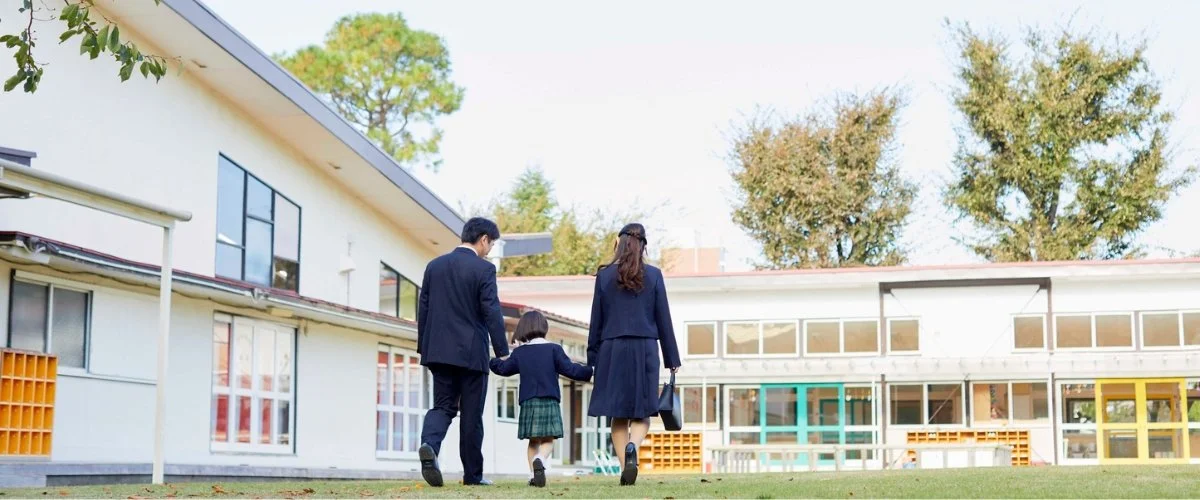
It starts as a stomachache on Monday morning. Then an escalating meltdown by the front door. Then a child flat on the floor, screaming and vomiting from distress, or one who simply refuses to move, no matter what consequence you name. You have tried gentle persuasion. You have tried firm expectations. You have tried bribes and punishments and everything in between. Nothing works. Your child is not going to school, the situation is getting worse, and you are running out of ideas.
What you are dealing with has a name: school refusal. And what the name means matters, because the most common parental and school responses to school refusal, pushing harder, enforcing consequences, and treating it as defiance, are precisely the responses that make it worse. School refusal is not a behaviour problem. It is an anxiety-driven condition that requires a fundamentally different approach.
This guide explains what school refusal anxiety actually is, what drives it, why conventional discipline strategies fail, and what the evidence shows actually helps, including when to involve professionals through child therapy Vancouver WA.
What Is School Refusal And What It Is Not
School refusal refers to a child's severe difficulty attending school, associated with significant emotional distress. It is distinct from truancy or ordinary school avoidance in several important ways that carry significant implications for how it should be addressed.
Truancy is a deliberate, often concealed absence from school. The child typically does not want parents to know they are missing school, does not show distress about it, and may be spending time with peers during school hours. School refusal is the opposite in almost every respect: the child's distress is overt and intense, parents are fully aware of the non-attendance, and the child is not engaging in preferred activities during school hours but is typically at home, anxious, and often miserable.
School refusal also differs from occasional school avoidance; every child has days when they do not feel like going to school. School refusal is persistent, severe, and accompanied by genuine emotional distress that can include panic attacks, vomiting, extreme crying, physical aggression to prevent departure, and somatic complaints that resolve when the child is permitted to stay home.
How Common Is School Refusal?
Researchers estimate that school refusal affects approximately 2–5% of school-age children, with peaks in frequency at ages 5–6 (school entry), 10–11 (transition to middle school), and 14–15 (high school transition).
Without appropriate intervention, school refusal typically worsens over time. Each day at home reinforces the avoidance and makes return progressively more difficult.
Source: Kearney & Graczyk, Cognitive and Behavioural Practice, 2014.
What Drives School Refusal: The Underlying Causes
School refusal is not caused by a single factor. Research by Christopher Kearney, one of the foremost authorities on school refusal, identifies four functional categories that drive most cases, and understanding which one or combination applies to a given child is essential for selecting the right intervention.
Avoidance of Specific Stimuli That Provoke Negative Affect
In this category, the child is avoiding specific aspects of the school environment that trigger anxiety, fear, or discomfort. The trigger might be something concrete, a particular class, a teacher, the noise of the cafeteria, the unpredictability of transitions, or something more diffuse, such as generalized anxiety about academic performance or social evaluation. This is the most common category and is directly connected to anxiety disorders, including generalized anxiety, social anxiety, and specific phobias.
Escape From Aversive Social or Evaluative Situations
In this category, the avoidance is specifically about social evaluation and the potential humiliation of looking foolish in front of peers, being called on in class, eating in the cafeteria, or navigating unstructured social time. Social anxiety disorder is the most common co-occurring diagnosis in this category. These children are not avoiding school broadly; they are avoiding specific social situations within school that feel genuinely threatening.
Attention-Seeking Behavior
A smaller subset of school refusal is maintained by the attention and comfort the child receives from a caregiver when the child stays home. The child is not primarily anxious about school; they are anxious about separation from their caregiver and have learned that school refusal produces the desired proximity and comfort. This pattern is most common in younger children and those with separation anxiety disorder or attachment difficulties.
Positive Reinforcement for School Absence
In this category, the child's school refusal is maintained not by what they are avoiding at school but by what they gain at home: freedom from academic demands, unrestricted activities, or simply the pleasurable comfort of being at home. This category overlaps somewhat with truancy in profile, though, unlike truancy, the parents are typically aware. Children in this category often do not show the same intensity of distress as those in the anxiety-driven categories, and they respond differently to intervention. An honest assessment with a child psychologist near Vancouver WA helps distinguish between these functional categories and guides the right approach.
Why Standard Discipline Approaches Make School Refusal Worse
The instinctive parental response to a child who refuses school is to enforce attendance through consequences, removing privileges, threatening punishments, or physically forcing the child out the door. This approach feels logical and is exactly what most parents try first. It does not work, and understanding why it does not work is essential for shifting to approaches that do.
School refusal driven by anxiety is maintained by avoidance reinforcement. Every time a child successfully avoids school, the anxiety temporarily decreases, which reinforces the avoidance behaviour. The child's nervous system learns: school is dangerous, avoidance brings relief, and avoidance is, therefore, the right response. Forcing attendance without addressing the anxiety does not change this learning; it creates a confrontation. The child's anxious nervous system is physiologically prepared to resist with everything it has.
Physical forcing can also produce trauma-adjacent experiences, such as intense fear, loss of bodily control, and public humiliation, which make school attendance even more aversive and make the therapeutic relationship harder to establish. Some of the most entrenched school refusal cases are those that began with intense forced-attendance confrontations that significantly elevated the child's distress.
This does not mean attendance does not matter or that all accommodation is appropriate. It means that the pathway back to school must address the anxiety driving the refusal rather than simply imposing consequences for the behaviour it produces.
Is Your Child Struggling to Go to School?
School refusal is often driven by anxiety—not defiance. Our experienced child psychologists provide evidence-based assessments and therapy to help children regain confidence and return to school successfully.
What Actually Works: Evidence-Based Approaches To School Refusal
Identify the Function Before Choosing the Intervention
Because school refusal has multiple possible functional drivers, the intervention that works for one child may be counterproductive for another. A child whose refusal is driven by separation anxiety needs a different approach than one whose refusal is driven by social anxiety about lunchtime. Accurate functional assessment through clinical interview, behavioural observation, and standardized measures is the foundation of effective treatment.
Graduated Exposure for Anxiety-Driven Refusal
For children whose school refusal is driven by anxiety, the most common evidence-based treatment is graduated exposure: a systematic, step-by-step approach to returning to school that begins with the least anxiety-provoking step and progressively builds toward full attendance. This might begin with simply driving to school and sitting in the parking lot, then entering the building briefly before returning home, then attending one class, then half a day. Each step is held until the child's anxiety reduces before progressing to the next.
Graduated exposure is not accommodation; it is a therapeutic protocol that actively works against avoidance while building the child's tolerance and competence. It should be designed and monitored by a clinician who understands anxiety treatment and school refusal specifically. Child therapy in Vancouver WA, that incorporates exposure-based approaches is the most evidence-supported treatment for anxiety-driven school refusal.
Parent Coaching and Consistent Response
How parents respond during school refusal episodes significantly affects whether the behaviour escalates or resolves. Parents need specific guidance on how to communicate empathy without inadvertently reinforcing avoidance, how to maintain consistent, calm expectations without confrontation, and how to avoid the two most common parental errors: excessive accommodation (which reinforces avoidance) and excessive pressure (which escalates distress without producing attendance). Family therapy Vancouver WA provides the structured parent coaching that makes this possible.
School Collaboration
Effective school refusal intervention requires active collaboration with the school. This means identifying and reducing specific school-based triggers where possible, establishing a re-entry plan that the school implements consistently, identifying a safe person and safe space within the school that the child can access when distress escalates, and ensuring that teachers understand the plan and implement it consistently. A parent who is receiving clinical support but has no school collaboration will find their efforts significantly undermined.
Addressing Co-Occurring Conditions
School refusal rarely occurs in isolation. It commonly co-occurs with anxiety disorders, depression, ADHD, autism, learning disabilities, and social communication difficulties. Each co-occurring condition requires its own treatment approach alongside the school refusal intervention. Children with unidentified learning disabilities who are refusing school because academic demands feel genuinely impossible may need educational therapy Vancouver WA, alongside anxiety treatment to address both dimensions of the avoidance.
Early Intervention Is Critical
The longer school refusal continues, the harder the return becomes. Academic gaps accumulate, peer relationships weaken, avoidance is reinforced by time, and the anxiety about returning grows as absence extends. A child who has been out of school for one week is significantly easier to return than one who has been out for a month. If school refusal is occurring, professional consultation should happen quickly, not after waiting to see if it resolves on its own.
Signs That School Refusal Needs Immediate Professional Support
Seek professional help promptly if your child shows any of the following:
Has been absent from school for more than one week due to emotional distress
Shows panic attacks, vomiting, or severe physical distress related to school attendance
Is showing signs of depression alongside school refusal, withdrawal, hopelessness, loss of interest in everything, not just school
Has a history of anxiety, autism, ADHD, or learning disabilities that may be contributing to the refusal
Is receiving accommodations from school to avoid attendance rather than seeking therapeutic intervention to address the anxiety
Older school refusal in adolescence harder to treat and carries greater academic and social consequences than in younger children
Our guide on 7 signs your child should see a therapist provides additional context for deciding when professional support is needed, and school refusal almost always clears that bar.
Frequently Asked Questions
-
Separation anxiety is one common driver of school refusal, but not the only one. Children whose school refusal is driven by separation anxiety are specifically distressed by separation from a caregiver, not by school itself. Other children refuse school because of social anxiety, academic anxiety, sensory overwhelm, or specific school-based fears that have nothing to do with separation. Distinguishing between these requires clinical assessment, because the interventions differ meaningfully between categories.
-
Occasional strategic accommodation, a single planned rest day followed by immediate return, is sometimes appropriate within a clinical plan. Ongoing accommodation without therapeutic intervention, however, almost always worsens school refusal over time. Each successful avoidance reinforces the pattern. The goal is to reduce distress while maintaining the expectation of attendance, and achieving that balance requires clinical guidance rather than home management alone.
-
Be direct and specific: your child is experiencing school refusal driven by anxiety, not truancy. Request a meeting with the school counsellor, the child's teacher, and, if possible, a school psychologist. Bring any clinical documentation you have. Ask specifically about a re-entry plan, a safe person the child can access when distressed, and any environmental modifications that might reduce specific triggers. Schools vary significantly in their familiarity with school refusal; you may need to educate as well as advocate. Therapy for children with anxiety resources can also support the school's understanding of what your child is experiencing.
School Refusal Has A Path Forward With The Right Help
At Wonder Tree Developmental Psychology, our child therapists understand school refusal's multiple functional drivers, its connection to anxiety and other co-occurring conditions, and the specific evidence-based approaches that produce return to school. We work with children, parents, and schools as a coordinated team, providing the clinical assessment, exposure-based therapy, and parent coaching that school refusal requires.
If your child is refusing school, every day of absence matters. Early, well-targeted intervention is the most powerful predictor of a successful return, and we are here to provide it.